







Search Results for: barista rights
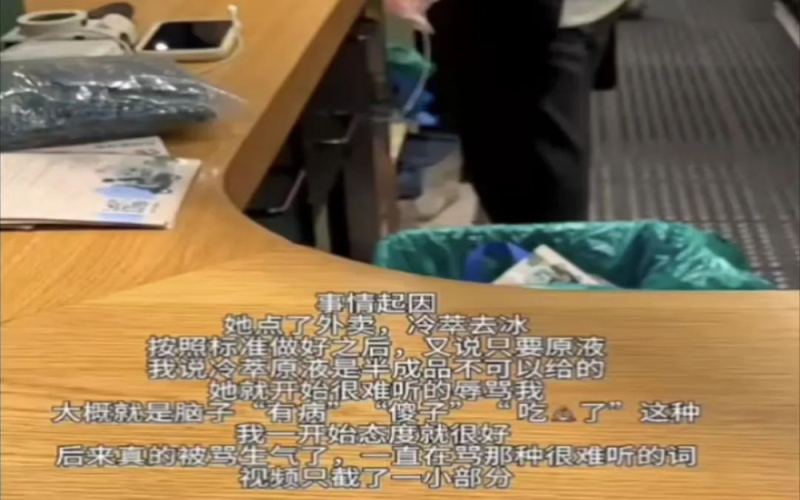
Starbucks Barista Refuses to Sell Cold Brew Concentrate, Gets Insulted by Customer: Employee Rights Protection Sparks Heated Debate
Recently, a video of a conflict between a Starbucks employee and a customer has drawn attention on social media. In the video, the employee, who refused to sell cold brew concentrate—a semi-finished ingredient—on its own, was fiercely insulted by the customer and nearly came under physical attack. After the incident came to light, netizens expressed sympathy for the employee and discussed topics such as how the brand handles customer complaints and how employee rights are protected. Many current employees also shared similar experiences, pointing out that the company often smooths things over by issuing coupons, which may encourage malicious complaints and leave frontline staff disheartened. [more…]
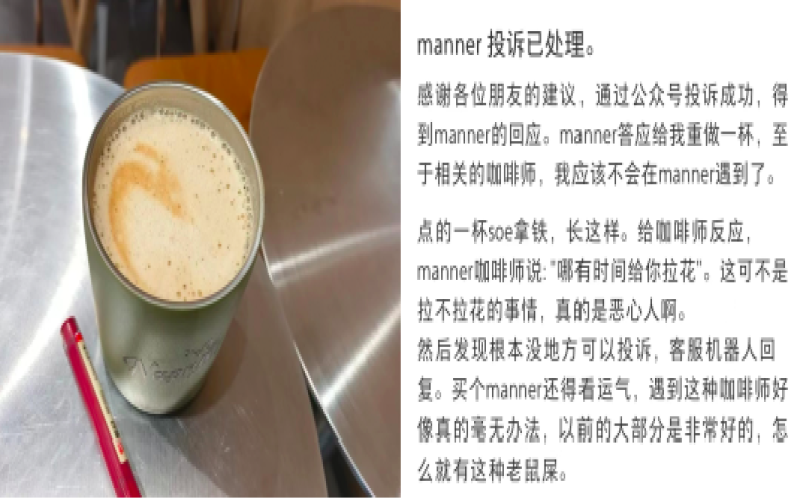
A latte without latte art cost a barista their job? Manner service controversy sparks industry reflection.
In today's world, where specialty coffee culture is increasingly widespread, latte art has become almost a standard feature of hot lattes. However, when a latte without latte art was served to a customer, the ensuing complaint actually led to a barista losing their job—an incident at a Manner store that quickly went viral on social media. Some spoke up for the barista, arguing that latte art is merely decorative and inconsequential; others pointed out that since the brand has clear regulations, an employee who responds perfunctorily to customer feedback is indeed hard to exonerate. Behind this lies not only the relationship between latte art and coffee quality, but also the deeper conflicts faced by chain coffee brands amid rapid expansion—between staffing shortages, service standards, and consumer rights. [more…]
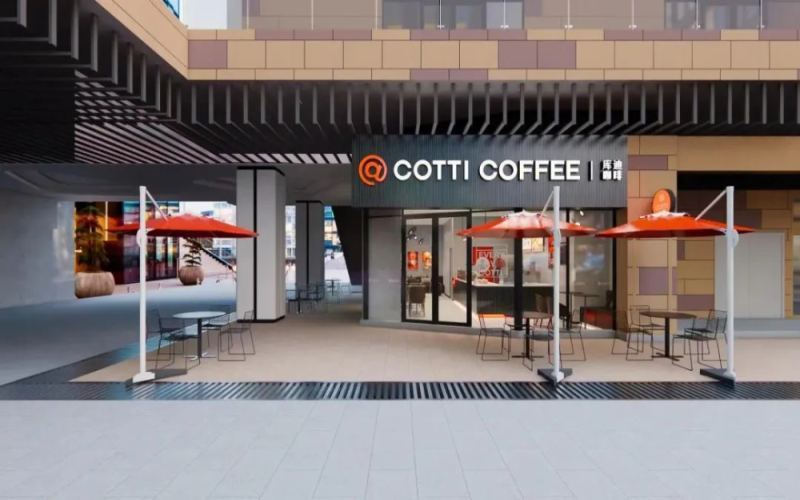
Cotti vs. Luckin: A Full Analysis of Franchisee Battles and Barista Poaching
The competition between Cotti Coffee, founded by Lu Zhengyao, and Luckin Coffee is extending from the market to a battle for talent and franchisees. This article examines how Cotti, leveraging its "former Luckin founder" label and low-threshold policies, attracts former Luckin franchisees and baristas to switch sides, and analyzes its strategy of setting up shop right next to Luckin in third- and fourth-tier cities to directly capture Luckin's customer traffic. It also looks at the strong Luckin background within Cotti and the head-to-head confrontations between the two in small-city commercial districts. Through multiple cases and interviews, it reveals the fierce rivalry in the coffee arena. [more…]
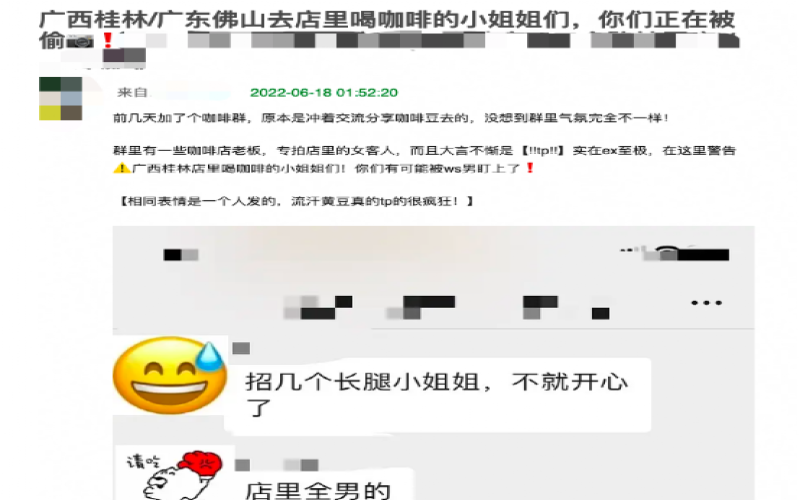
Coffee shop secretly filming female customers exposed: store fires employee and apologizes, industry image tested again
Coffee shops are supposed to be spaces for savoring and relaxation, yet a recent voyeuristic photo scandal exposed on a Douban group has shattered that tranquility. A coffee shop employee shared secretly taken photos of female customers' thighs in a WeChat group, proudly exchanging comments, which triggered strong condemnation from the coffee enthusiast community. The incident involved multiple coffee shops in Guilin, and the shops concerned issued statements one after another, apologizing for the misconduct of individual employees and dismissing or firing those involved. This incident not only violated customers' portrait rights and privacy but also cast a shadow over the professional image of the coffee industry. As coffee enthusiasts, we should pay more attention to baristas' professionalism and work ethics, and return to our love for and dedication to coffee itself. [more…]
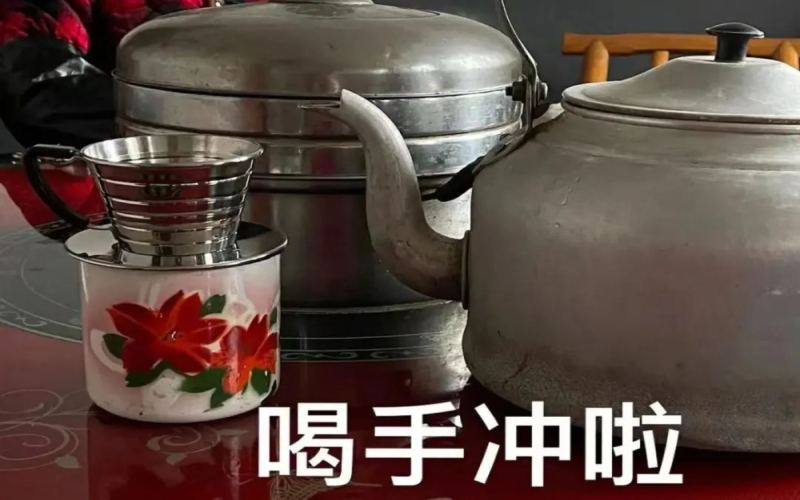
Analysis of the Role Positioning and Professional Competence Requirements of Baristas in the Dissemination of Coffee Culture
A barista is not just a maker of drinks, but a transmitter of coffee culture. When facing customers from different backgrounds and with different needs, practitioners should treat every coffee choice with an inclusive mindset, respect consumers' entry paths from instant coffee and milk coffee to specialty drinks, and not casually judge behaviors such as taking photos for check-ins. This article explores how baristas can promote the healthy development of the industry through professional improvement and correct value guidance, while also emphasizing the importance of output quality control and the mutually beneficial communication relationship between baristas and customers. [more…]
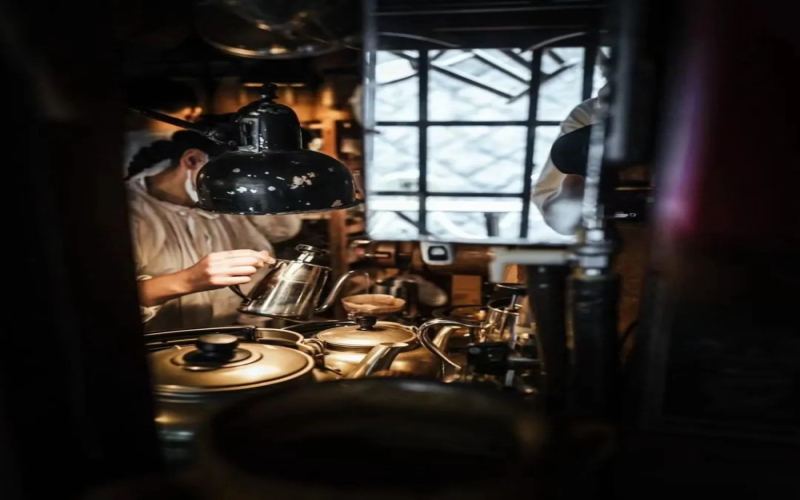
Exploring Career Development Paths for Baristas: Breaking Beyond the Bar Counter—Diverse Possibilities from Technician to Educator and Operator
Many people enter the coffee industry full of dreams, yet under the pressure of reality they choose to leave, and the reasons often come down to limited pay and unclear paths for advancement. However, the career path of a barista does not have to be limited to working behind the bar. Starting from the common confusion faced by baristas, this article analyzes how to step out of one's comfort zone and branch into diverse directions such as trainer, roaster, and opening one's own shop. The article points out that no matter which path one chooses, planning ahead, building professionalism, and understanding the industry as a whole are all key. A barista can be a technician, but can also become an educator or a businessperson—provided one sets aside the romanticized滤镜 of the profession and steadily prepares for the future. [more…]
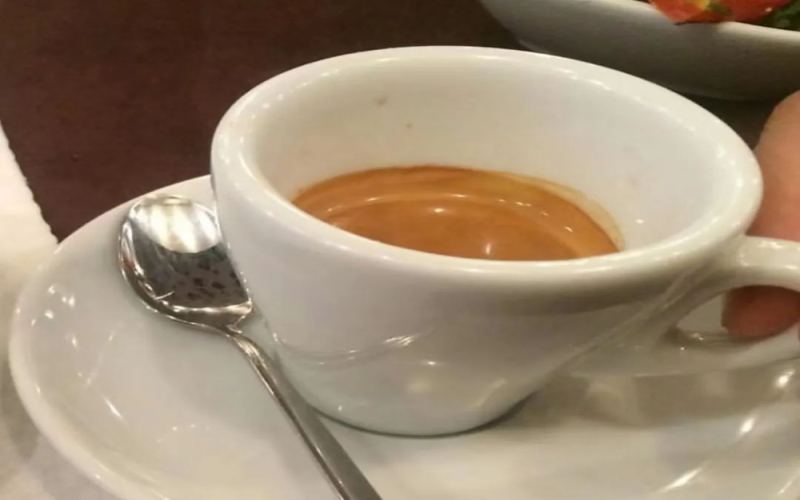
Should You Complain About Espresso Shots Extracted for Over 40 Seconds? Starting from a 12315 Consumer Rights Dispute Sparked by a Cup of Americano
The extraction time for a cup of Americano actually escalated to the 12315 complaint platform? Recently, a netizen ordered an Americano at a coffee shop in Shenzhen and believed that the barista's extraction time exceeded 90 seconds, far beyond the 40-second standard in their understanding, so they demanded a refund and complained to 12315, also requesting that the merchant remove the product from sale. This incident sparked heated discussion in the coffee community: Is there any hard-and-fast rule for the extraction time of espresso? Is it reasonable for consumers to complain about a shop based on their personal standards? This article will recount the incident, sort out the industry reference range for espresso extraction time, and explore the boundary between consumer rights protection and product standards. [more…]
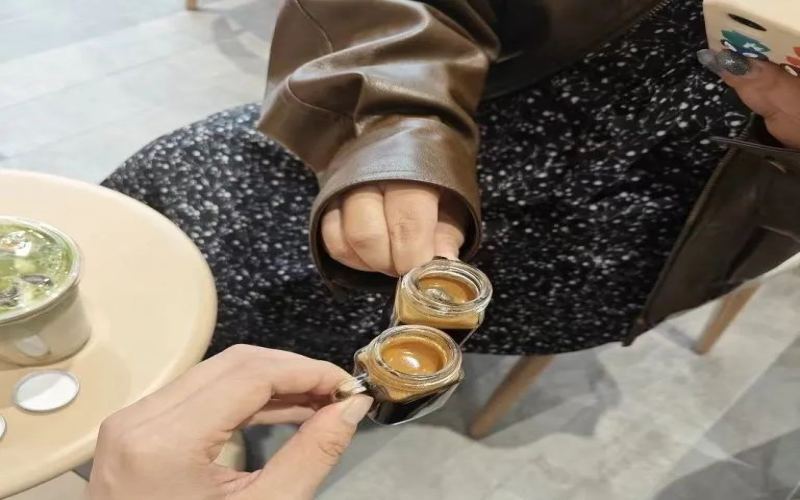
Manner is on the verge of surpassing 1,000 stores, Bring-Your-Own-Cup Creativity Showcase: From old tea mugs to clay-pot soup, baristas are exclaiming "So professional!"
Manner is about to surpass a thousand stores, and more and more office workers can enjoy affordable specialty coffee right outside their door. The five-yuan discount for bringing your own cup has sparked endless creativity among netizens. From plain and simple travel mugs to hilarious "magic tools"—old tea urns, gourds, clay pot soup containers, baby bottles, even watermelon rinds—there's nothing you can imagine that they won't pull out. Faced with these bizarre containers, baristas either get caught off guard or handle it with composure, showing their professionalism. This article takes you through those laugh-out-loud BYOC moments, to see how this generation of netizens uses a single cup to "outsmart" baristas. [more…]
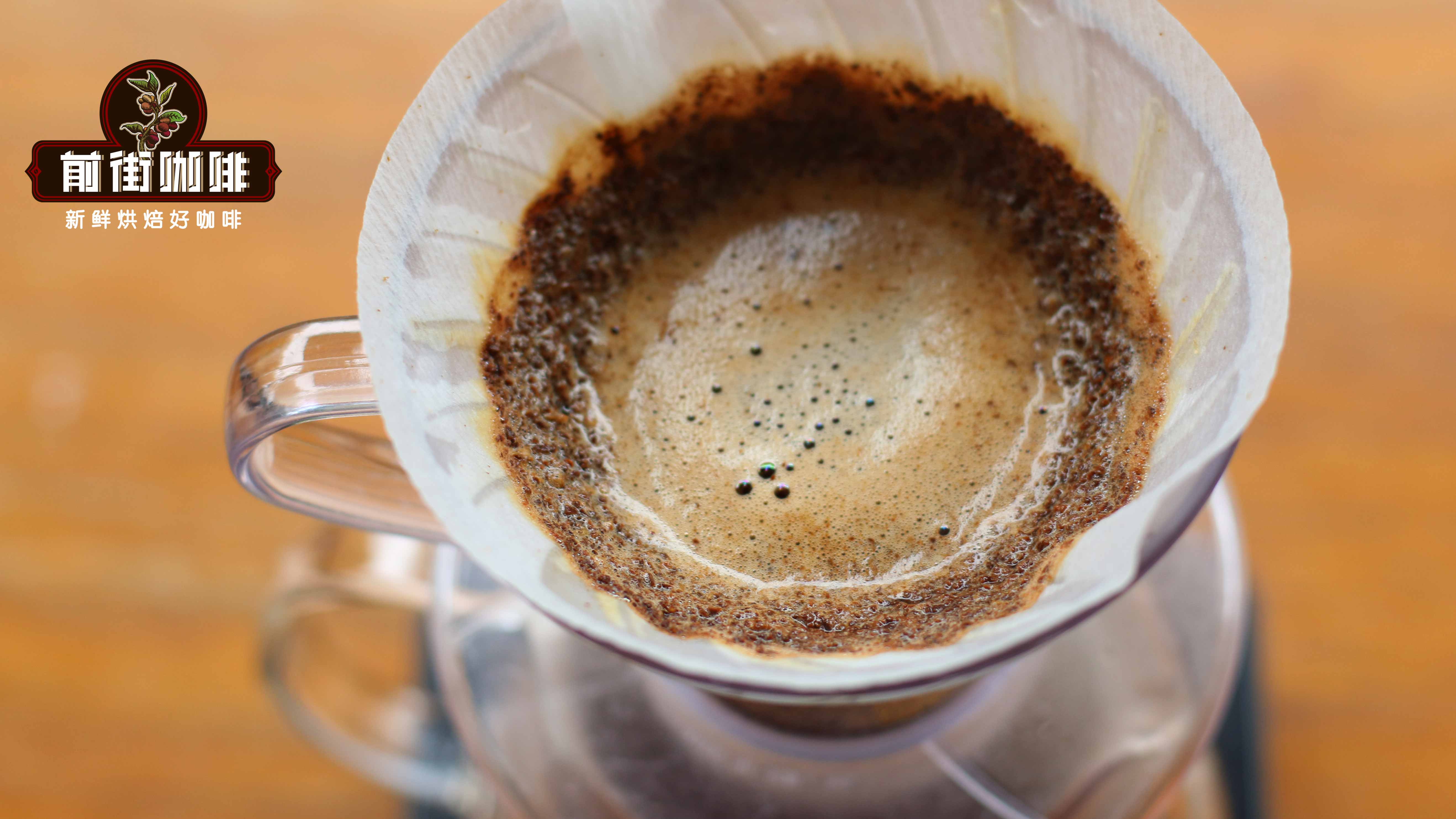
From pouring techniques to parameter records: practical approaches to systematically improve pour-over coffee across four dimensions
Many coffee enthusiasts come to Front Street Coffee, and besides being amazed by the rich bean list, they are also full of curiosity about the barista's brewing technique. Does pour-over rely on hand strength or brainpower? The answer is actually the latter. Water control and circular pouring are just basic entry-level skills. What truly determines the quality of a cup of coffee is the understanding of the relationships among parameters such as grind size, coffee-to-water ratio, water temperature, and time, as well as knowledge of the coffee bean's producing region characteristics and roast level. Starting from Front Street Coffee's brewing practice, this article sorts out four directions for improvement: solid pouring training, establishing parameter logic, categorizing bean characteristics, and recording and reviewing after each brew, helping pour-over beginners find a clear path for advancement. [more…]
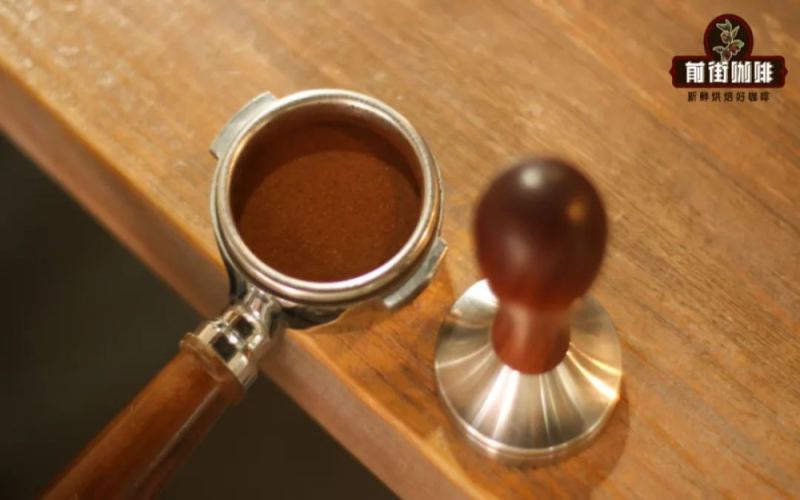
What's the right tamping pressure for espresso? A practical analysis of how grind size affects tamping
Tamping is a seemingly simple yet highly debated step in espresso making. Some people casually rotate the tamper, while others put all their strength into pressing the puck as tightly as possible. Just how much does tamping pressure affect extraction? Does the compactness of the puck really influence flow rate? Front Street Coffee answers these questions through two sets of comparison experiments with different grind sizes, using actual extraction time data. This article will guide you through the subtle relationship between tamping pressure and grind particle size, helping you find the tamping method that suits you best. [more…]
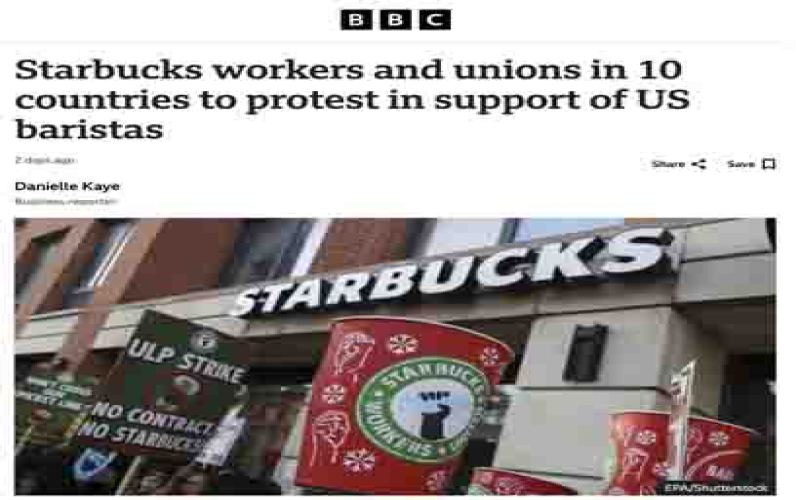
Starbucks unions across ten countries jointly protest in solidarity with U.S. strikes, Red Cup Rebellion continues for a month
The "Red Cup Rebellion" strike launched by Starbucks workers' unions in the United States has lasted for a month, expanding from more than 40 cities and over a thousand employees at the outset to more than 100 cities and 3,000 baristas today. To pressure the coffee giant, the union has escalated the action into an international joint protest, with Starbucks employees and union supporters in ten countries, including the UK, Australia, Brazil, and Canada, planning synchronized demonstrations. Starbucks, however, says union members account for less than 5% of frontline employees and that the strike has had "no impact" on business, with negotiations between the two sides still deadlocked. Where will this labor-management battle go? [more…]

Coffee Shop Ordering Pitfall Guide: Analyzing Those Special Requests That Leave Baristas Not Knowing Whether to Laugh or Cry
Walking into a coffee shop and facing the dazzling array of options on the menu, have you ever hesitated, unable to decide? And the orders that baristas encounter every day are even more bizarre—from "an iced hot Americano" to "a latte with less chili," these laughable requests reflect the uneven public understanding of coffee. This article rounds up the weird ordering habits in coffee shops that drive baristas crazy, and also explores how baristas can properly guide customers to learn about coffee. Just as Front Street Coffee has always been committed to promoting specialty coffee culture, every patient explanation may help more people fall in love with coffee. [more…]
De'Longhi American Drip Coffee Machine Operation Guide: How Coffee Bean Grind Size Matches Different Extraction Methods
Making coffee at home with an American-style drip machine—have you chosen the right grind size? Front Street Coffee baristas often encounter customers asking for pre-ground coffee powder but unable to clearly explain what equipment they use to brew it. In fact, grind coarseness directly determines the extraction rate and flavor direction. This article will explain in plain language which devices fine, medium, and coarse grinds are suited for, the differences in performance between light-roast and dark-roast beans in drip machines, and demonstrate the operating steps using a Delonghi drip machine as an example. It will also recommend two beans suitable for American-style drip coffee—Front Street sun-dried Red Cherry and Front Street PWN Golden Mandheling—and finally compare the taste differences between espresso diluted with water and drip-style Americano, helping coffee lovers choose the right beans, grind the right powder, and enjoy every cup. [more…]

Coffee with Syrup or Sugar? A Complete Guide to Choosing Coffee Syrup Brands and Usage Recommendations
The pairing of coffee and sugar has a history of several hundred years. From 16th-century European aristocrats using sugar to mask the burnt bitterness of inferior coffee, to today's third wave, which champions tasting coffee in its original form, the role of sugar has undergone a dramatic shift. The rise of syrups has brought rich artificial flavors to coffee and also lowered the barrier to entry. This article sorts out the essential differences between sugars and syrups used in coffee, syrup brand choices (including Front Street Coffee's recommendations), and the appropriate amount of syrup in coffee. It also explores the science behind sweetness addiction and the dilemma baristas face when customers add sugar, helping coffee lovers find a balance between flavor and individuality. [more…]
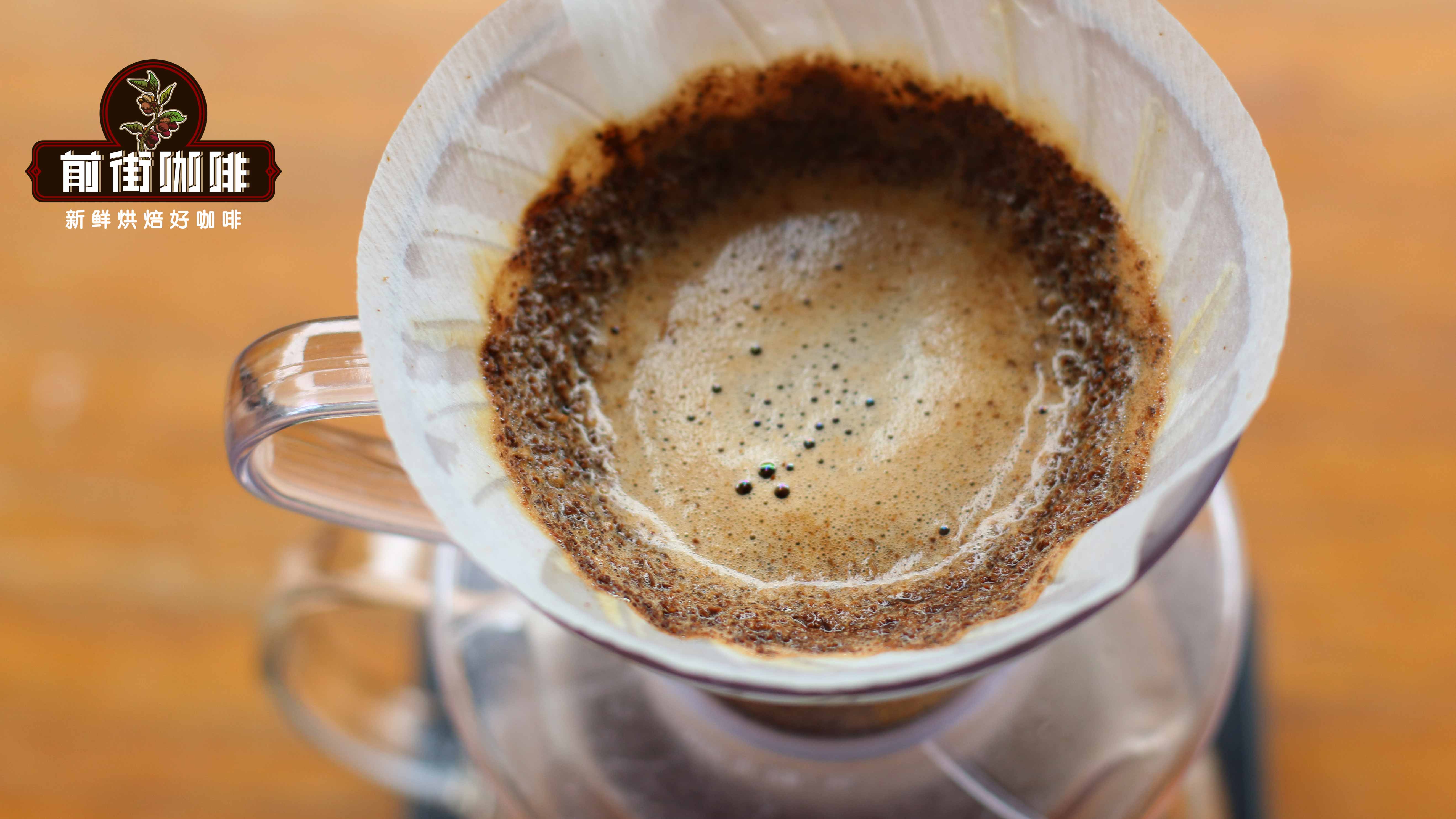
Pour-over coffee knowledge | How can coffee novices improve the quality of their pour-over coffee? How to understand coffee server parameters? How to identify the characteristics of coffee bean origins, varieties, and roast levels?
Many friends have come to visit Front Street Coffee, drawn by its reputation. Besides marveling at the wide variety of coffee beans, they also greatly admire the baristas' brewing skills. Among them, many want to discuss pour-over brewing with the baristas. So Front Street Coffee takes this opportunity to share some thoughts on how to improve coffee brewing skills. Before that, Front Street Coffee asked [more…]

How do you steam milk foam for latte art so it's velvety and dense? A barista teaches you how to choose the right milk and 6 key techniques.
A beautifully latte-art cup of coffee is inseparable from high-quality espresso and perfectly textured milk foam. This article begins with coffee bean selection and how milk composition affects milk foam, then gradually breaks down six practical key points for steaming milk foam—from holding the pitcher with both hands, the angle of the steam wand, and the depth of the steam tip to the number of aeration cycles and temperature control—and explains how the whole milk and blend commonly used in Front Street Coffee shops can be paired to create a sweetness like a strawberry milkshake. Whether you are a complete beginner or an enthusiast looking to refine your latte art skills, you can find actionable references here. [more…]
How to Get the Grind Size Right for Pour-Over Coffee? Front Street Coffee Baristas Share Extraction Standards and Brewing Techniques
When brewing pour-over coffee, grind size is often the key variable that determines the direction of flavor. Front Street Coffee frequently receives inquiries about how fine a grind should be used for a particular bean, but in reality, beans from different origins, varieties, processing methods, and roast levels each have their own suitable grind standards. Based on the practical experience of Front Street Coffee stores, this article explains the mechanism by which grind size affects extraction time and extraction yield, introduces the reference values for the passing rate of the No. 20 standard sieve, and explains the differential handling of medium-light roast and dark roast beans. At the same time, the article also discusses the concept of golden cup extraction and its true purpose, and finally uses Colombia Rose Valley as an example to provide complete brewing parameters and staged extraction techniques, helping enthusiasts brew good coffee that suits their own taste. [more…]

What keeps customers coming back to a coffee shop? Five regulars share their real experiences and spending expectations.
Can a café make people want to come back again and again based solely on great coffee? In conversations with friends and customers in the shop, the writer found that what truly brings customers back are often the easily overlooked soft experiences—a greeting at the door, recommendations based on taste rather than price, no pressure to “appreciate” the coffee, and the just-right sense of distance between barista and guest. Several interviewees candidly shared their positive and negative experiences, including product information related to the Front Street Coffee brand. These genuine reflections may offer café owners valuable reference. [more…]
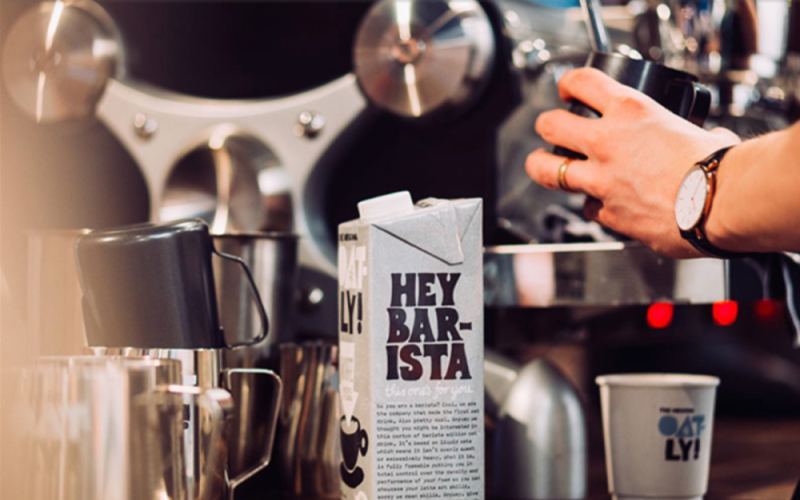
Oatly's application to trademark "Barista" in New Zealand was rejected, drawing renewed attention to the controversy over registering generic terms.
Recently, Oatly, a giant in the oat milk industry, attempted to register the word "Barista" as a trademark in New Zealand, but encountered strong opposition from local food wholesaler Bidfood. Bidfood argued that the term has long been a generic name in the plant-based milk sector and should not be monopolized by any company. The New Zealand Intellectual Property Office ultimately supported Bidfood's position, determining that "Barista" is a descriptive term when used for dairy alternatives. This incident not only highlights the challenges of determining generic names in international trademark registration but also brings to mind similar cases in China, such as the trademark squatting of "Geisha Coffee." Where exactly is the boundary of trademark protection? What potential risks does the registration of generic names pose to the industry? This article will provide a detailed analysis for you. [more…]
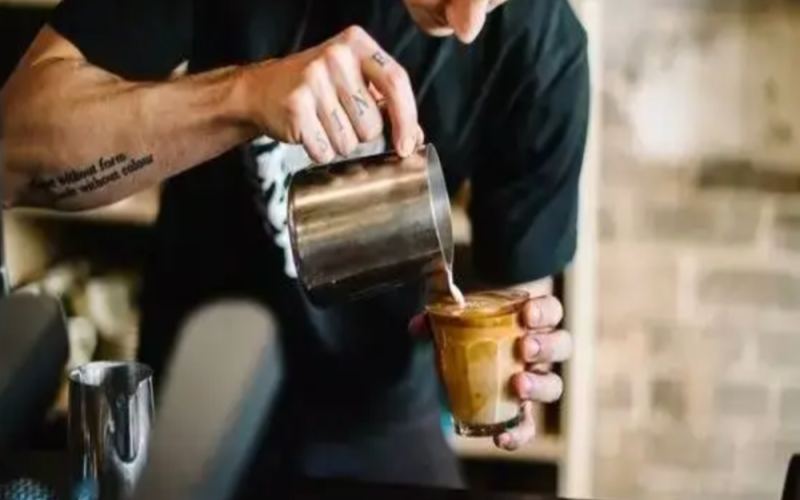
Why is a barista's service mindset so important? Looking at this job through the lens of professional identity, is it really that tough?
The profession of barista has gained increasing popularity among young people in recent years, but controversy surrounding it has never ceased. Some believe that baristas should be individualistic and cool, and need not grovel before customers; others feel that coffee shops ultimately belong to the service industry, and providing quality service is simply part of the job. Starting from the professional positioning of baristas, this article explores what service awareness means for this line of work, and how baristas should correctly view their own role. It also analyzes why professional knowledge and skills must complement a service spirit, with neither being dispensable. If you are working in the coffee industry, or are curious about the real situation of baristas, this article may offer you some inspiration. [more…]